Posts

What Not to Put in a Garbage Disposal

Image
Overusing you garbage disposal is damaging your septic tank. Regularly running your garbage disposal with some soap and cold water will prevent rust and corrosion, but using your garbage disposal for the wrong things is doing more harm than good! If you dump all of your old leftovers down the sink, you could be disrupting the bacteria in your septic tank that allows it to function properly. Without the proper bacteria, your septic tank is unable to break down the waste that is pumped through it every day.  Garbage disposals and septic tank systems work together to help your sinks run more smoothly. Some items that you're putting down your kitchen sink may be causing potential damage to your system. Here are some things you should avoid putting down your drain if you have a garbage disposal with a septic system.  Avoid putting these items down your garbage disposal: Potato peels Egg shells Fruit pits Nuts Coffee Grounds Pasta Rice Grease Oil Fat & More Refraining from...

Skip the Septic System Replacement Cost this Spring!

Image
  Maintenance is Key! With Spring right around the corner, septic tank owners are looking for professionals that will give them the affordable, high-quality septic tank care and maintenance they're looking for! An entire septic system replacement will cost you a pretty penny, while regular careful maintenance from ASAP will help you and your septic tank feel ready to take on Spring with confidence! In the Boise area, Spring brings beautiful weather of both sunshine and rain! While the rain allows for our flower to bloom and buds to blossom, it can also put some stress on your septic tank! Boise residents are lucky enough to experience all four seasons. But having melting Winter snow on the ground at the start of our Spring showers can cause a water overload in our yard!  No matter where you live, the septic tank that is best equipped to face the weather patterns of a new season is one that has been  properly maintained and properly used. To prepare your yard for spri...

Septic Leach Field Problems - Tree Roots!

Image
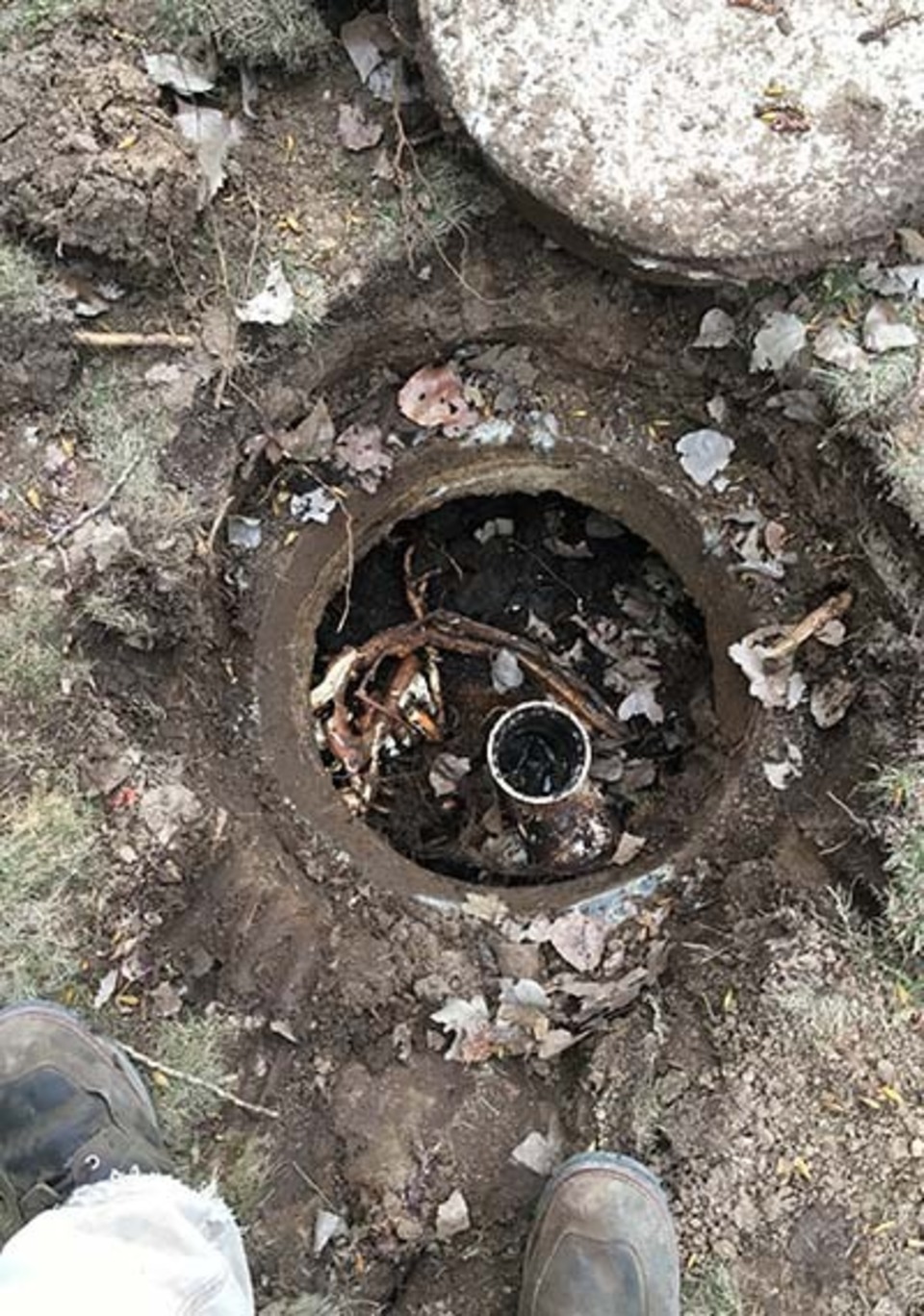
Giving your septic tank plenty of room to operate is essential to having a long-lasting and well-maintained septic system. Some of the most beautiful backyards can have faulty septic tanks because of overgrown bushes and trees whose roots have overtaken their systems' space. When thinking about it from a natural standpoint, tree roots are meant to follow and grow towards water sources. So naturally, if trees are planted too close to your septic system, those roots might identify your tank as an excellent and reliable source of water---and grow right into it! Plants and tree roots are GREAT at finding water, even if it means working their way into the pipes of your septic system. The roots will grow and expand within the pipes of your septic tank; this will cause a blockage and may potentially cause more serious damage. Some tree roots have punctured the wall of septic tanks and cause them to burst and spill. It is important to be able to recognize the signs of a damaged septic tank...

Is Drano Safe for Septic Systems?

Image
Clogged drains is an unfortunate headache that everyone will face in their lifetime. When it comes to clearing those clogged drains, there are many different recommended ways of how to clean a sink drain. First and foremost, the most important thing to note before addressing all the possible ways of how to keep drains clear, is how NOT to keep drains clear.  This may come as a surprise to you, but the "most popular" way to clear drain clogs is NOT what is best for your system! This is our biggest piece of advice: Do Not Use Drano! Is Drano safe? NO! Drano is an extremely abrasive drainage cleaner that should not be used in your sinks, toilets, showers, or anywhere! Drano is powerful enough to break down whatever is blocking your sink, and strong enough corrode the very material that lines your drains and pipes. While Drano is a seemingly effective temporary fix to the your clogged drain headache, it will only cause you more stress in the future. Continuously using Drano with...

Clogs, holes, gaps, and more! Residential Septic System Inspections

Image
When it comes to home drain line and sewage inspection s, maintenance is key! It is much safer, much easier, and much more cost-efficient to prevent potential septic tank damage than to have to repair your main sewer line . Drain lines should be inspected and cleared yearly . Older drain lines may need to be inspected more often. Depending on the age and condition of your drainage systems and pipes, you should get your residential and commercial drain lines inspected regularly to prevent any damage to your home and business. If you don't know the age and condition of your system, our high quality video inspections can accurately tell you how much life you have left in the tank!  Video recordings of a neglected drain line can show evidence of cracks, holes, root intrusion, gaps, blockages, clogs, and so much more. ASAP will provide you thorough, consistent, frequent inspections of your drain line so you can have confidence in the health of your septic system . After we have iden...

Frequent Backups & Overflows at Your Business? You Need a Commercial Sewer Video Inspection!

Image
How often/when should I get a drain line inspection for my business? The frequency of drain line inspection depends on the age and condition of your pipes. An older drain line should be inspected and cleared more frequently—every 6 to 8 months should do the trick.   A new drain line or a drain line in good condition would benefit greatly from an annual inspection , or even every 18 months . However, even the newer and higher quality pipes are susceptible to accidents and damage. It is vital that you contact ASAP Septic immediately once you notice or suspect any possible blockage or clog to the drain line.    Signs you need a drain line inspection: Low water levels Slow or improper flushing/draining Gurgling noises coming from your toilet Flooded yard due to septic tank overflow Bad smells coming from your drains Frequent backups and clogs If you are experiencing any of these things, do not wait to call ASAP Septic! Fixing the problem now can save you from havin...

What is a lift station? - Waste Management System

Image
Lift stations are essential to functional waste management systems. A lift station is a mechanism of pumps that allows water to be carried from a place of low elevation to a place of higher elevation. Ideally sewage lines work together with the land gradient in your area to allow gravity to do most of the work in carrying sewage, waste, and storm water from place to place. A lift station allows that same reliance on gravity when sewage lines and the gradient of the land cannot work together.  Here is the step-by-step of how a lift station works: 1) Waste water is pumped from your home (ie. using a toilet, sink, shower, laundry machine. etc). 2) The waste travels downhill to a low point where it can no longer travel by gravity. 3) At that low point, a lift station is installed that is intended to assist the waste water in its navigation through the sewer system.  4) The water enters into and begins filling up an underground basin or tank called a " wet well "; in this wet ...